Friday, April 23, 2010

Civil War in China


Mao Zedong, a communist leader, and Chaing Kai-Shek, a nationalist leader do not get along and fighting between them two breaks out into a civil war. America, who is nationalist, defends south China, and Mao flees to Taiwan. To a communist take-over, America reacts and fails containment. U.S. "lost" China and this leades to other problems.

containment- stopo to spread other nations of influence, such as communism.

Friday, April 16, 2010

McCarthyism

McCarthy was a Republican Senator and an activist anit-communist. He was very into he beliefs, and many people were afraid of him. They were scared that if they disagreed with him, then they would die. He stared to hurt innocent people by accusing them of being communist. McCarthy went to far though when he started accusing soliders that were in the war. Everyone was getting anygry with him, but finally he died of being physco.:)

Korean Conflict


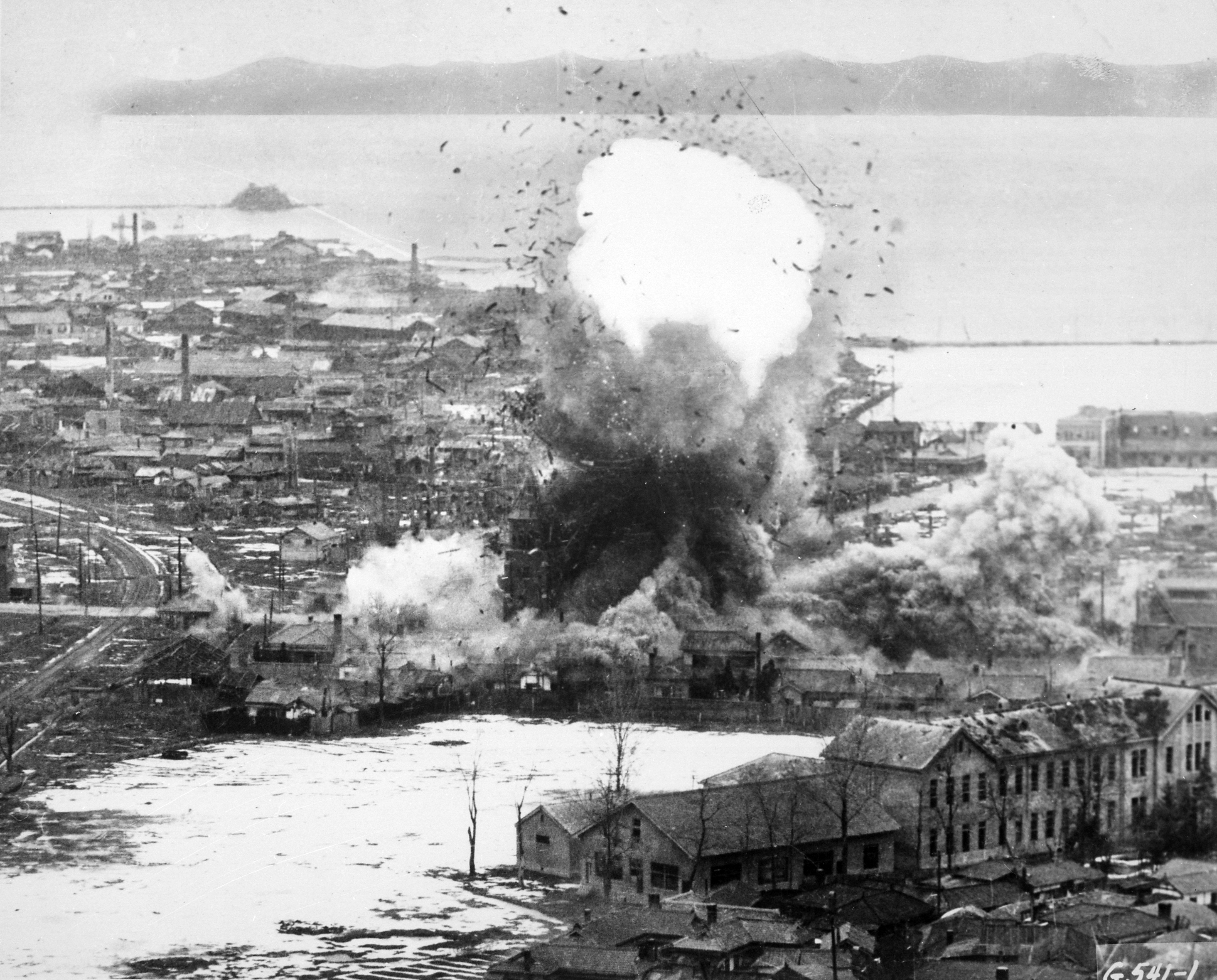
The Korean war was between communist and nationalist. It started when North Korea, the communist, went down past the 38th parallel and attacked South Korea, the nationalist. Soon America got involved due to this alarming news, and joined South Korea to aid support for them. In all, 16 nations sent around 520,000 troops to assist South Korea in the war, of which 90% were American. Ending this conflict, North Korea was pushed back and kept in containment.


38th parallel: An imaginary line that divides Korea at 38 degrees latitude.

Thursday, April 15, 2010

Berlin Airlift

One tension that first came out between the two nations was the Berlin Airlift, which was mainly in 1948. During this time there was 327 days of U.S. and British planes that brought West Berlin economic aid, food, and supplies. The Airlift could seven hundred tons of supplies a day. That seems like a lot, but on some days it wasn't enough.

Wednesday, April 7, 2010

Cold War (overview)

The Cold War began in 1945, during the time that World War II was ending. Many differences were going on in the United States and other nations. The Soviet Union who was once an ally to the U.S. now was starting to compete sides with military and economic aid. The conflict was mainly reasons that democratic nations were against the communism nations. These differences were intensified during World War II. Both lead by leaders, Stalin and President Truman, who had opposing viewpoints on government. Tension was strong between the nations and soon caused open war to break out. Explosive situations that threatened one another had effects on their enemies, such as the Berlin Airlift. Korean Conflict came out of the Airlift, and McCarthyism became a problem too. Following that, the civil war in China, and last brinkmanship caused tension during the cold war.